
Ecommerce website development project plan: Step-by-step guide

Building a successful ecommerce website requires more than just a great idea; it demands a comprehensive ecommerce website development project plan. This guide is designed to be exactly that—a detailed process to take you from a concept to a fully functional online store that's ready for growth.
Step 1: Define Business Goals and Target Customers
The very first step in your ecommerce website development project plan is to define why you're building this site and who you're building it for. "To increase sales" is a good start, but it's not enough. Be more specific: "Increase sales by 20% in the next 6 months through our new online channel"—now that's a clear target.

And more importantly, who are you building this site for? This is your customer persona. Forget lifeless statistics for a moment. Try to picture them:
- Maybe it's Anna, a 28-year-old office worker, scrolling through her phone on her commute home, looking for convenience and unique products.
- Or maybe it's Mark, a 50-year-old who carefully compares prices on his desktop and only trusts cash-on-delivery (COD) payments.
When you truly understand them, every decision—from your website's color palette and product descriptions to your choice of payment gateways—becomes easier and more accurate.
Step 2: Conduct Market and Competitor Research
Imagine you're about to open a coffee shop. You'd take a walk around the neighborhood and visit other cafes! Analyzing your competition is exactly the same. Go "undercover" and explore at least 3-5 of your competitors' sites. Don't just look at the surface; put yourself in their customers' shoes:
- Is their homepage engaging? Or do you get lost in a maze of categories?
- Does the product page have enough high-quality photos, videos, and reviews to earn your trust?
- Is their checkout process smooth, or is it a clunky, multi-step ordeal?
- Do they have any tricks to keep you coming back (discount codes, loyalty programs)?
Use tools like SimilarWeb or Ahrefs to "spy" on their marketing tactics. The goal isn't to copy them, but to learn, find their weaknesses, and turn them into your opportunities.
Step 3: Select the Platform and Technology Stack
This decision is a cornerstone of your ecommerce website development project plan, as it will influence your budget, timeline, and long-term capabilities. You must decide whether you're going to "rent a fully furnished apartment" or "buy a plot of land and build your own house."

- SaaS (Shopify, BigCommerce): It's fast, convenient, and secure. Everything is already taken care of. However, you'll be limited in customization and will have a monthly fee.
- Open Source (WooCommerce, Magento): This offers absolute freedom. You can build a one-of-a-kind site. But in return, you're responsible for everything: hosting, security, and all the maintenance.
Every choice has its trade-offs. Consider your budget, your team's technical skills, and your long-term vision to make a wise decision.
Step 4: Build the Site Architecture and Sitemap
Now, let's sketch out the structure of your website. Think of it like a physical store.
- The Homepage is your storefront and main lobby.
- Category Pages are the different aisles, neatly organized.
- The Product Page is where a customer examines an item closely.
- The Cart and Checkout is the cashier's counter—fast, simple, and secure.
A logical structure not only helps customers but also helps Google "read" your site better, which is a key goal of any solid project plan.
Step 5: Design the Wireframes and User Interface (UI/UX)
This is the stage where abstract ideas start to take shape.
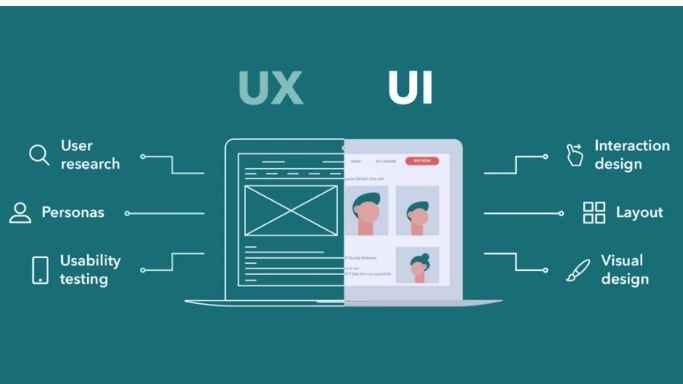
- A Wireframe is the black-and-white technical drawing, focusing on structure.
- A Mockup is the full-color render with brand colors, fonts, and images.
Always remember: design for the phone first. Ensure everything looks beautiful and is easy to use on a small screen, because that's where most of your customers will come from.
Step 6: Code and Develop the Features
The design is approved. Now it's time for the developers to get to work. They will turn static designs into a living, interactive website. They'll use an Agile approach: breaking the work into small pieces, building one section at a time, and testing constantly. This keeps the project flexible and minimizes risk.
Step 7: Optimize On-Page SEO and Page Speed
SEO isn't the final coat of paint; it's a material mixed into every brick. From the very beginning of construction, everything needs to be optimized for Google:
- URLs must be clean and easy to understand.
- Page load speed must be lightning-fast.
- Every image and headline must be named and described strategically.
Remember, you're building a website for both humans and search engine bots.
Step 8: Conduct Full-Scale QA Testing and Bug Fixing
The site is almost finished. Now it's time for the quality inspection team. They will act as your most demanding customers, testing everything from the cart to the login process on all kinds of devices. No website is perfect from the start. Finding and fixing bugs at this stage will save you from nightmares after launch.

Step 9: Plan and Execute the Go-Live Strategy
As you reach the final stages of your ecommerce website development project plan, the excitement is palpable. But don't rush. A successful launch requires its own meticulous mini-plan. Host a "soft launch"—invite a small group of friends or loyal customers to experience the site first. They'll give you priceless feedback.
When you're ready, hit the "Go-Live" button. But don't start celebrating just yet. The first 72 hours are crucial. Keep your eyes glued to the analytics to make sure everything is running smoothly.
Step 10: Implement Post-Launch Marketing and Optimization
A spectacular website with no visitors is just an empty building. Now it's time to send out the "invitations":
- Write helpful blog posts to attract customers from Google (Content SEO).
- Run ads on Facebook and Google to reach the right people.
- Send reminder emails for abandoned carts.
- Create promotions and loyalty programs to keep them coming back.
Listen to your "guests." Data from analytics will tell you how to "rearrange the furniture" (optimize) to make their experience as comfortable as possible.
Step 11: Plan for Long-Term Maintenance and Growth
A common mistake is thinking the project ends at launch. A robust ecommerce website development project plan always includes a strategy for long-term maintenance and growth. An ecommerce site is like a garden; it needs constant care, pruning, and cultivation to thrive.
The digital world is always moving. Your website might be great today, but tomorrow, new technologies could be the key to taking you to the next level.
In Closing
Remember that a well-thought-out ecommerce website development project plan is more than just a document; it's your roadmap to success in a competitive digital marketplace. By following it, you're not just building a site; you're building a solid business platform online, a place that customers will love and return to. Good luck on your journey.