
What is hybrid ecommerce and how to launch a successful strategy
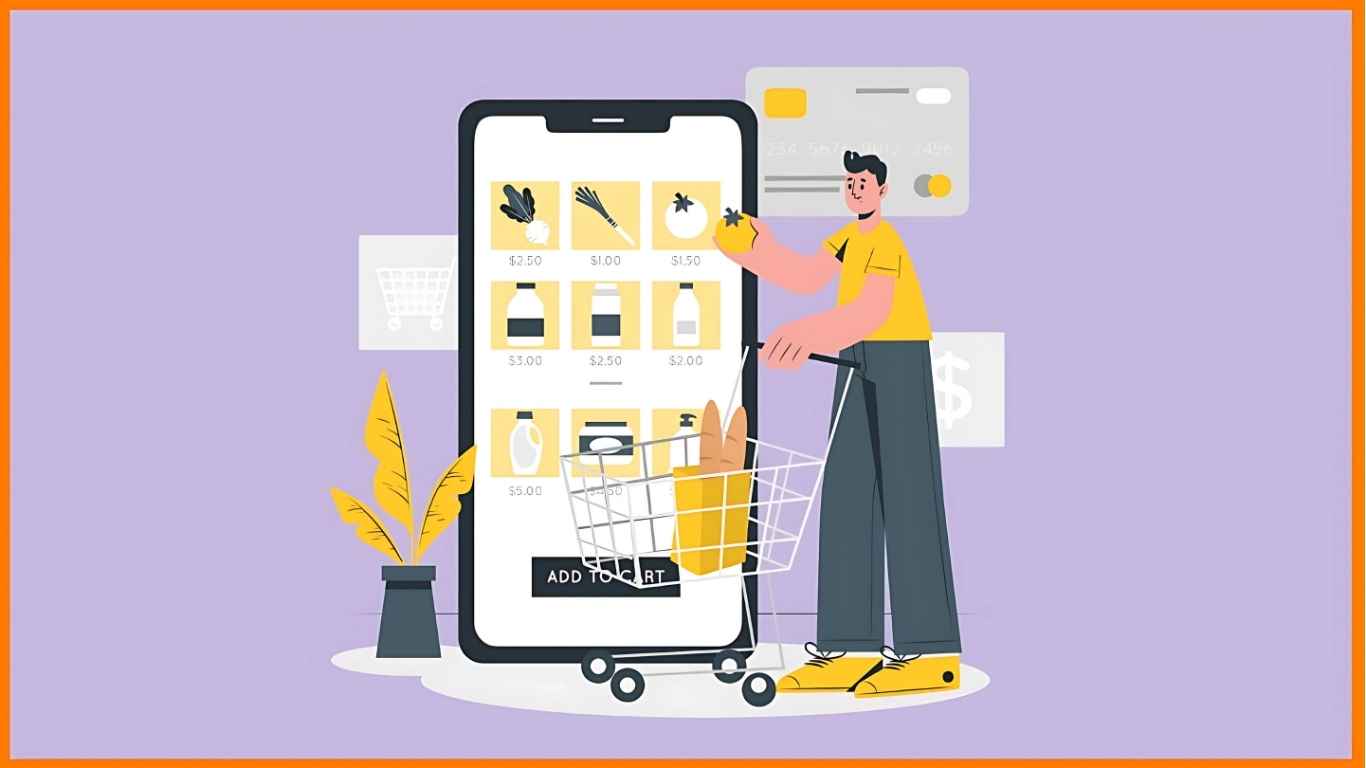
In the rapidly evolving world of digital commerce, businesses must constantly innovate to meet customer expectations and stay ahead of the competition. One of the most effective approaches gaining traction in recent years is hybrid ecommerce. This strategy blends traditional brick-and-mortar retail with online commerce, creating a seamless and flexible shopping experience for consumers.
In this comprehensive guide, we will explore what hybrid ecommerce is, its benefits and challenges, how to establish a hybrid strategy, and why this model is shaping the future of retail.
What is hybrid ecommerce?
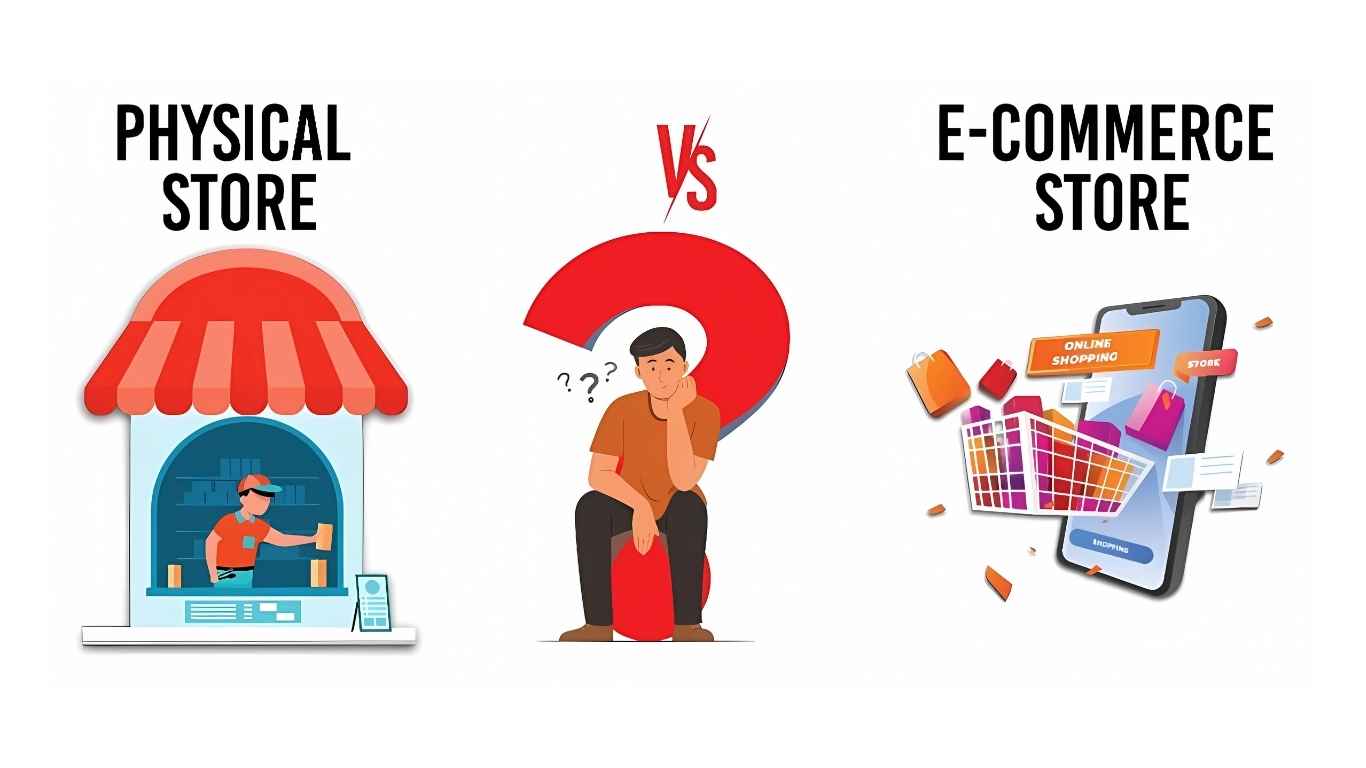
Hybrid ecommerce refers to a business model that combines physical retail operations with digital ecommerce platforms. Rather than choosing between a physical store or an online store, hybrid ecommerce businesses leverage both to provide customers with a unified shopping experience.

For example, a customer might browse a product online, try it in-store, and then complete their purchase via a mobile app. Alternatively, a shopper might order online and choose in-store pickup or return. This interconnected model blurs the lines between online and offline, giving consumers the flexibility to shop however they prefer.
Benefits of hybrid ecommerce
1. Enhanced customer experience
The hybrid model allows retailers to meet customers where they are. It empowers shoppers with convenience, letting them switch between online and offline channels effortlessly. This omnichannel approach enhances satisfaction and builds brand loyalty.
2. Increased sales opportunities
By leveraging both physical and digital channels, businesses can maximize their reach and tap into new revenue streams. For instance, online shoppers can be directed to stores with exclusive in-store promotions or vice versa.

3. Better data collection
Online channels provide rich customer data, including purchase behavior, browsing habits, and preferences. When integrated with in-store data, this allows retailers to personalize experiences and refine marketing strategies.
4. Inventory optimization
Hybrid ecommerce helps businesses manage inventory more effectively. Real-time tracking across both online and offline platforms can reduce overstocking and stockouts.
5. Brand resilience
During unexpected events like pandemics or supply chain disruptions, hybrid ecommerce ensures business continuity. Retailers can quickly pivot between online and offline operations to meet demand.
Challenges of hybrid ecommerce
1. Complex operations
Managing inventory, logistics, and customer experiences across multiple channels can be challenging. Businesses need sophisticated systems to synchronize these components.
2. Technology integration
A hybrid model requires seamless integration of point-of-sale (POS) systems, ecommerce platforms, customer relationship management (CRM) tools, and inventory management systems. Any disconnect can lead to a fragmented customer experience.
3. Cost and investment
Implementing a hybrid strategy involves upfront investments in technology, training, and infrastructure. For smaller retailers, this might be a significant hurdle.
4. Consistency across channels
Maintaining consistent pricing, branding, and service quality across both online and offline platforms is essential—but not always easy.
5. Staff training
Employees need to be well-versed in handling both in-person and digital customer interactions. This may require ongoing training and support.
How to build a hybrid ecommerce strategy
Creating a successful hybrid ecommerce model involves several key steps. Here's a strategic roadmap to get started:
1. Assess your business model
Begin by analyzing your current operations. Do you have a physical store? Are you already selling online? Identify the gaps and opportunities in your existing setup.

2. Choose the right technology stack
Select ecommerce platforms that integrate seamlessly with your physical operations. Popular solutions like Shopify POS, WooCommerce, and Square offer tools to manage hybrid environments effectively.
3. Implement omnichannel inventory management
Ensure that your inventory is synchronized across all channels. Real-time updates prevent discrepancies and help you meet customer expectations.
4. Offer flexible fulfillment options
Provide multiple fulfillment choices such as:
- Buy online, pick up in-store (BOPIS)
- Curbside pickup
- Ship-from-store
- In-store returns for online purchases These options improve convenience and drive customer satisfaction.
5. Integrate customer data
Use analytics tools to unify online and offline customer data. This allows for targeted marketing, personalized offers, and better customer service.
6. Optimize your website and mobile app
Ensure your digital storefront is mobile-friendly, fast-loading, and easy to navigate. Include features like product search, reviews, real-time inventory updates, and local store information.
7. Train your staff
Empower your team with the tools and knowledge they need to support hybrid operations. Customer service, technical skills, and cross-channel communication are crucial.
8. Develop a unified marketing strategy
Coordinate your marketing campaigns across all channels. For example, promote in-store events through your email list and social media, or offer online discounts redeemable in-store.
Hybrid ecommerce for physical retailers
If you're a traditional brick-and-mortar retailer, transitioning to a hybrid model can be transformative. Here's how to make the shift:
1. Start with click-and-collect
Implement a basic BOPIS system to bridge your online and offline channels. This allows customers to enjoy the convenience of online shopping with the immediacy of in-store pickup.
2. Launch an ecommerce website
Even a simple, well-designed ecommerce site can make a significant difference. Highlight bestsellers, provide local delivery options, and feature real-time stock updates.
3. Use in-store technology
Introduce self-checkout kiosks, QR codes, or digital signage to enhance in-store engagement and connect customers with online resources.
4. Encourage online reviews
Request online reviews and testimonials from in-store shoppers. These boost your digital presence and drive online traffic.
5. Offer loyalty programs across channels
Design rewards systems that function both in-store and online. Customers should be able to earn and redeem points regardless of how they shop.
Hybrid ecommerce for online retailers
Online-only businesses can also benefit from adding a physical element to their strategy:
1. Open pop-up shops
Temporary retail spaces allow you to test physical locations, meet customers face-to-face, and create buzz around your brand.
2. Partner with local retailers
Collaborate with existing stores to showcase your products. This increases exposure without the overhead of opening your own shop.
3. Host in-person events
Organize product launches, workshops, or community events to strengthen customer relationships and drive brand awareness.
4. Explore showrooms or experience centers
These spaces allow customers to try products before buying them online, enhancing trust and reducing returns.
The future of hybrid ecommerce
Hybrid ecommerce is not just a passing trend—it represents the future of retail. As technology continues to evolve and consumer expectations grow, businesses must adopt flexible, customer-centric approaches.
Trends to watch:
- AI and personalization: Advanced algorithms will tailor the shopping experience across all touchpoints.
- Augmented reality (AR): Virtual try-ons and in-store AR experiences will bridge the online-offline gap.
- Voice commerce: Voice assistants will play a larger role in shopping journeys.
- Sustainable practices: Eco-conscious consumers will expect transparency and sustainability from hybrid retailers.
- Hyperlocal marketing: Targeted ads and promotions based on location and in-store behavior will become more precise.
Businesses that embrace hybrid ecommerce today will be better positioned to adapt, grow, and thrive in tomorrow's competitive landscape.
Conclusion
Hybrid ecommerce offers a powerful way to merge the best of online and offline shopping. By providing a seamless, integrated experience, businesses can delight customers, increase revenue, and build long-term loyalty. Whether you're starting with a physical store or an ecommerce site, now is the perfect time to explore hybrid strategies and set your brand up for future success.
Embrace the hybrid model, and transform the way you connect with customers in an ever-evolving retail world.