
The 10 must-have ecommerce FAQ for every online store

In the fast-paced world of online retail, customer confidence is currency. Shoppers have questions, and if they can't find answers quickly, they'll simply click away. The solution isn't just to be available for every query, but to master the art of the eCommerce FAQ.
These frequently asked questions—and more importantly, their answers—are not just a passive list. They are active sales-enablement tools, trust-building assets, and a customer service workhorse all in one. This guide will walk you through the most essential questions you must answer, where to deploy them, and how to use them to grow your business.
What are eCommerce FAQs and Why Do They Matter?
An eCommerce FAQ refers to any of the common questions customers have about your products, policies, and brand, along with your official answers. While often collected on a dedicated "FAQ page," the true power of these FAQs lies in deploying them strategically across the entire customer journey.
Think of them as proactive communication. They anticipate customer needs and address potential roadblocks before they lead to an abandoned cart or a support ticket. This strategy is critical for several reasons:
- Builds Customer Trust and Confidence: Openly addressing questions about shipping, returns, and product quality demonstrates transparency. This builds the trust needed to convince a hesitant shopper to make a purchase.
- Reduces Customer Support Costs: By providing clear, accessible answers to the top 80% of repetitive questions, you free up your support team to handle more complex or high-value issues, saving time and resources.
- Improves SEO: Every FAQ is an opportunity to target long-tail keywords—the specific, conversational phrases people use in search engines (e.g., "what is your return policy for international orders?"). This drives highly relevant traffic.
- Overcomes Purchase Objections: A customer might be ready to buy but has one last-minute question. Having the answer readily available removes that final barrier to conversion.
The 10 FAQs Your E-Commerce Website Needs
While your specific product line will generate unique questions, a foundational set of ten inquiries applies to nearly every online store. Answering these clearly and proactively will build trust, prevent cart abandonment, and reduce the strain on your customer support team.
1. What are my shipping options and costs?
This question directly addresses the leading cause of shopping cart abandonment: unexpected costs. Your answer must be direct and transparent to build immediate trust with a potential buyer. It should clearly outline all available shipping methods, such as Standard and Express, along with their respective costs and estimated delivery windows. Critically, if you offer free shipping, be sure to state the qualifying threshold (e.g., "Free shipping on all orders over $75") prominently within the answer.
2. How long will it take to get my order?
Once a customer has paid, their excitement is high, and managing their expectations about delivery is key to satisfaction. This answer shouldn't just repeat the shipping carrier's timeline. A comprehensive response breaks down the total duration into two parts: your internal processing time (the 1-2 days it takes to pick and pack the order) and the carrier's shipping time. This level of detail is reassuring and helps prevent future support tickets.
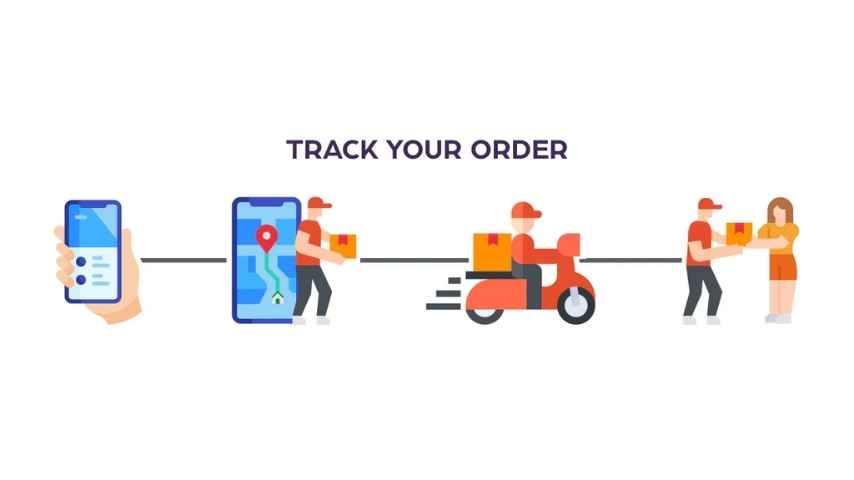
3. How can I track my order?
Answering this question proactively is your best defense against a flood of "Where is my order?" support requests. You should empower your customers by clearly explaining the tracking process. State that they will automatically receive a shipping confirmation email as soon as the order leaves your facility. This email should contain a direct tracking link and a tracking number they can use on the carrier's website to follow their package's journey in real-time.
4. What is your return policy?
A clear, fair, and easy-to-find return policy is one of the most powerful trust signals on an eCommerce site. It reduces purchase anxiety by giving customers a safety net. Your answer should be a concise summary of the full policy, specifying the return window (e.g., 30 days), the required condition of returned items, who is responsible for return shipping costs, and the first step a customer should take to initiate a return.
5. Do you ship internationally?
For any store with a global audience, this is a fundamental question. A simple "yes" or "no" is the starting point. If you do ship internationally, your answer should provide details on which countries you serve and, importantly, manage expectations by clarifying that shipping times will be longer and that the customer is typically responsible for any local customs fees or import duties.
6. What payment methods do you accept?
At the final stage of checkout, customers need to feel their financial information is secure and that they can use their preferred payment method. This answer should instill confidence by listing all accepted payment types, including major credit cards (Visa, MasterCard), digital wallets (PayPal, Apple Pay), and any "Buy Now, Pay Later" services you've integrated (like Klarna or Afterpay).
7. How do I care for my product?
This question shows you care about the customer's experience long after the sale is complete. Providing clear instructions for product care—whether it's washing instructions for apparel, assembly guides for furniture, or maintenance tips for electronics—helps customers get the most value from their purchase and reduces the likelihood of misuse or damage.
8. Is there a warranty on your products?
For higher-priced items like electronics, luggage, or equipment, a warranty can be the deciding factor that pushes a customer to buy. This answer should clearly state the duration of the warranty (e.g., "1-year limited warranty") and give a brief overview of what it covers, such as manufacturing defects, while guiding them to a full warranty page for more details.

9. How can I contact customer support?
Even the most comprehensive FAQ page can't cover every possible scenario. Providing a clear and easy path to a human is the ultimate customer service safety net. Your answer should link directly to your contact page and list the available support channels, such as email, a contact form, or live chat, along with your hours of operation.
10. Is your packaging sustainable? (Or: What are your brand's values?)
Modern consumers are increasingly buying into a brand's ethos, not just its products. Use this question as an opportunity to connect with customers on a deeper level. Whether the question is about sustainability, ethical sourcing, or community involvement, your answer should be authentic and reflect the core values that define your brand.
Where to Place FAQs for Maximum Impact
To make your FAQ content work for you, place it where your customers will see it.

- A Dedicated FAQ Page: Create a comprehensive, well-organized FAQ page and link to it clearly in your website’s header or footer.
- On Product Pages: For product-specific questions (like sizing or material), use an accordion-style FAQ directly on the product detail page. This answers questions at the point of consideration.
- In the Checkout Process: A simple link to "Shipping & Return FAQs" near the final payment button can reassure customers and prevent them from leaving to find an answer.
How to Build Your eCommerce FAQ Library
Creating a powerful collection of FAQs is a straightforward process:
- Gather Real Questions: Don't invent them. Dive into your customer support emails, live chat transcripts, and social media comments to find what people are actually asking.
- Organize into Categories: Group related questions under clear headings like "Shipping," "Returns," "Products," and "Payments." This makes your information scannable and user-friendly wherever it appears.
- Write Simple, Clear Answers: Write from the customer's perspective. Frame questions as "How do I..." and answer directly. Avoid technical jargon and maintain your brand's unique tone of voice.
- Make Them Accessible: Whether on a dedicated page with a search bar or as expandable toggles on a product page, ensure the answers are easy to find and consume.
Final Thoughts: Rethink Your FAQ Strategy
Your eCommerce FAQ page is not a set-it-and-forget-it document. It's a living, breathing part of your business strategy. Review it every few months, add new questions as they arise, and refine answers to be even clearer.
By treating your FAQ page as the valuable asset it is, you can build a more trusting relationship with your customers, streamline your operations, and create a smoother path from a casual visitor to a loyal, paying customer.